The city approved a restrictive covenant for the 280-unit Belvedere Road project, fixing 71 homes as affordable or workforce housing and keeping the long-running plan moving.
What changed
West Palm Beach approved a restrictive covenant with District Pointe, LLC on July 20 for a 280-unit rental project at 1501 Belvedere Road. The agreement fixes 71 units, or 25% of the project, as affordable or workforce housing. The breakdown is specific: 18 homes at or below 80% of area median income, 32 units from 81% to 100%, and 21 more from 101% to 120%. That is the part worth focusing on. This was not a press-release ribbon cutting or a fresh groundbreaking. It was the city making the housing mix part of the record and tying the project to enforceable affordability terms.
What is actually new
District Pointe was already a known project before the July vote, and the development has been in motion long enough to move through multiple phases of review. The new step is narrower and more important: it turns a long-planned rental project into one with a locked-in housing covenant. That distinction matters in West Palm Beach, where the most consequential changes often happen in the paperwork before they ever show up in the skyline. A project can look the same from the street while its obligations, unit mix, and financing path change underneath it.
Why Belvedere Road matters
Belvedere Road is not the city's postcard corridor. That is exactly why this approval matters. 1501 Belvedere sits in a practical part of West Palm Beach, closer to the airport and I-95 access than to the luxury waterfront. Projects there do a different job from tower developments on Flagler or downtown. They add housing in a part of the city shaped by access, employment, and utility rather than pure address prestige. When West Palm Beach pushes workforce units into that lane, it broadens the market beyond the blocks that already get the most attention.
How the numbers read
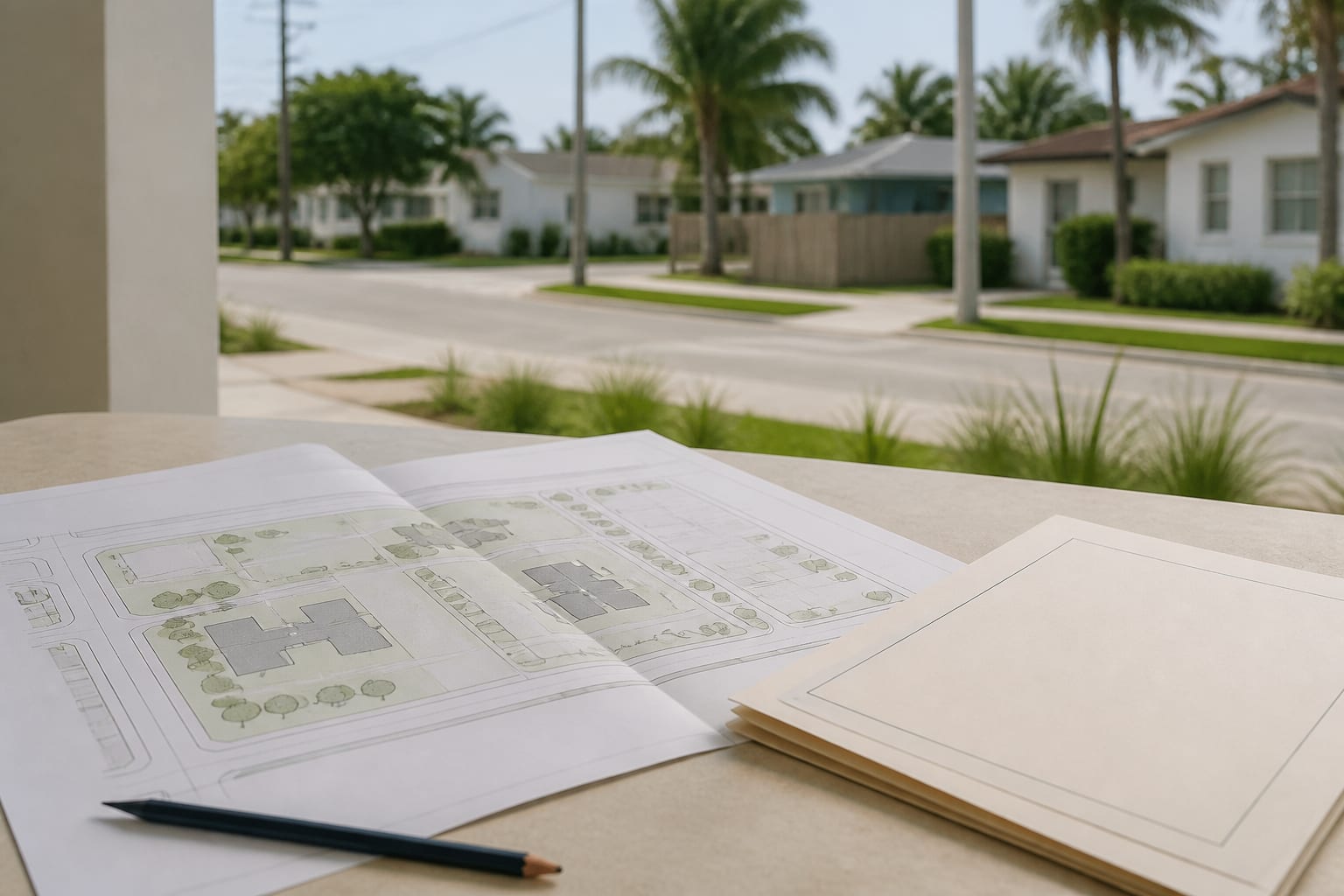
Seventy-one affordable or workforce units is not a token gesture on a 280-unit project. It is a real share, and the three-tier income split shows the city wanted the covenant to reach more than one affordability band. That is useful because it keeps the project from being discussed as a binary luxury-versus-affordable fight. The better reading is that West Palm Beach is trying to thread new supply into the city without pretending every project has to be a trophy tower. District Pointe is a reminder that housing policy and private development still meet in the middle, and that the middle can be material.
What to watch next
The next question is whether District Pointe now moves cleanly through the remaining permitting and construction steps or stalls in the usual pre-build friction. The covenant gives the project a clearer housing identity, but it does not eliminate the hard parts: financing, sequencing, and execution. Watch Belvedere Road for that next signal. If this project keeps moving, it reinforces a pattern West Palm Beach has leaned on all year: some of the city's most consequential development is still happening away from the waterfront, in the corridors where supply, access, and affordability intersect.
Why it matters
The commission vote turns District Pointe from a broad development plan into a housing obligation with real numbers behind it. That matters because West Palm Beach is still adding supply on its less glamorous inland edge, not just on the waterfront blocks that already dominate the market conversation.
Buyer context
For buyers comparing West Palm Beach corridors, District Pointe is a reminder that the city's supply story is broader than trophy towers. Inland projects with workforce components can shape long-term neighborhood balance, commute patterns, and the amount of everyday housing depth the market can absorb.
Continue the research
Explore the development corridors · Compare buildings · Ask the buyer research desk