Bottom line
West Palm Beach dining has moved from convenient to destination. Chef-driven concepts and walkable mixed-use districts are reshaping how buyers view downtown.
How to use this guidance
Use the guidance to frame questions before comparing West Palm Beach buildings. Then check project pages, current floor-plan packets, source-linked updates, and The Scott Gordon Group at Douglas Elliman for the details that can change.
What happened
For years, downtown West Palm Beach was where Palm Beachers grabbed a quick bite on the way to the island. Today, the conversation has flipped.
Why it matters
Michelin-recognized chef’s counters, imported New York bistros, Italian food halls, waterfront seafood rooms, and ambitious mixed-use districts are now helping define the city’s next chapter. The dining surge is not just restaurant gossip. It reflects the same forces reshaping downtown real estate: wealth migration, office growth, boutique hotels, and buyers who want an urban home with culture, energy, and a proper dinner reservation.
Buyer context
From convenience dining to destination dining
Buyer context
West Palm’s old reputation as Palm Beach’s “step-sister” is fading fast. Legacy spots like Avocado Grill, E.R. Bradley’s, and Pistache helped establish downtown as a reliable night-out option. But the newer wave is different.
Buyer context
Over the last few years, national hospitality groups, chef-led operators, and polished restaurant brands have entered the market with concepts designed for people who plan the evening around the restaurant — not the other way around.
Buyer context
CityPlace’s evolution
Buyer context
CityPlace has been reworked from a retail-heavy shopping center into a more complete lifestyle district. Felice brought a New York Tuscan restaurant and wine bar to 360 Rosemary, adding Italian classics, a polished cocktail program, and a more sophisticated dining rhythm to the area.
Buyer context
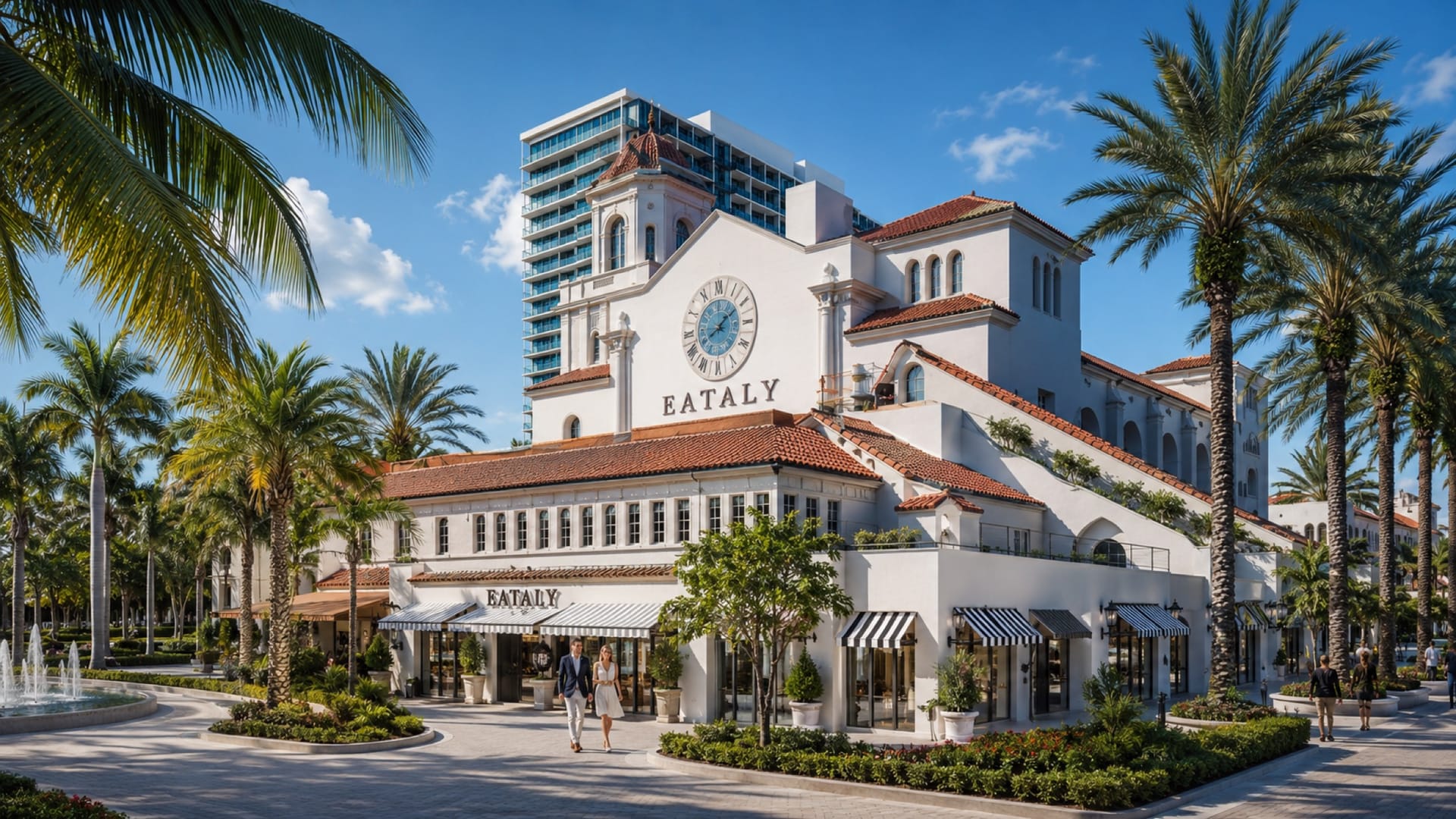
Moxies followed with a large indoor-outdoor restaurant, statement bar, private dining, and a broad upscale-casual menu. Eataly’s arrival at the restored Harriet Himmel Hall is the bigger signal: a 23,000-square-foot Italian marketplace with restaurants, retail, cooking classes, and live programming. That is not a filler tenant. That is an anchor.
Buyer context
Flagler waterfront’s transformation
Buyer context
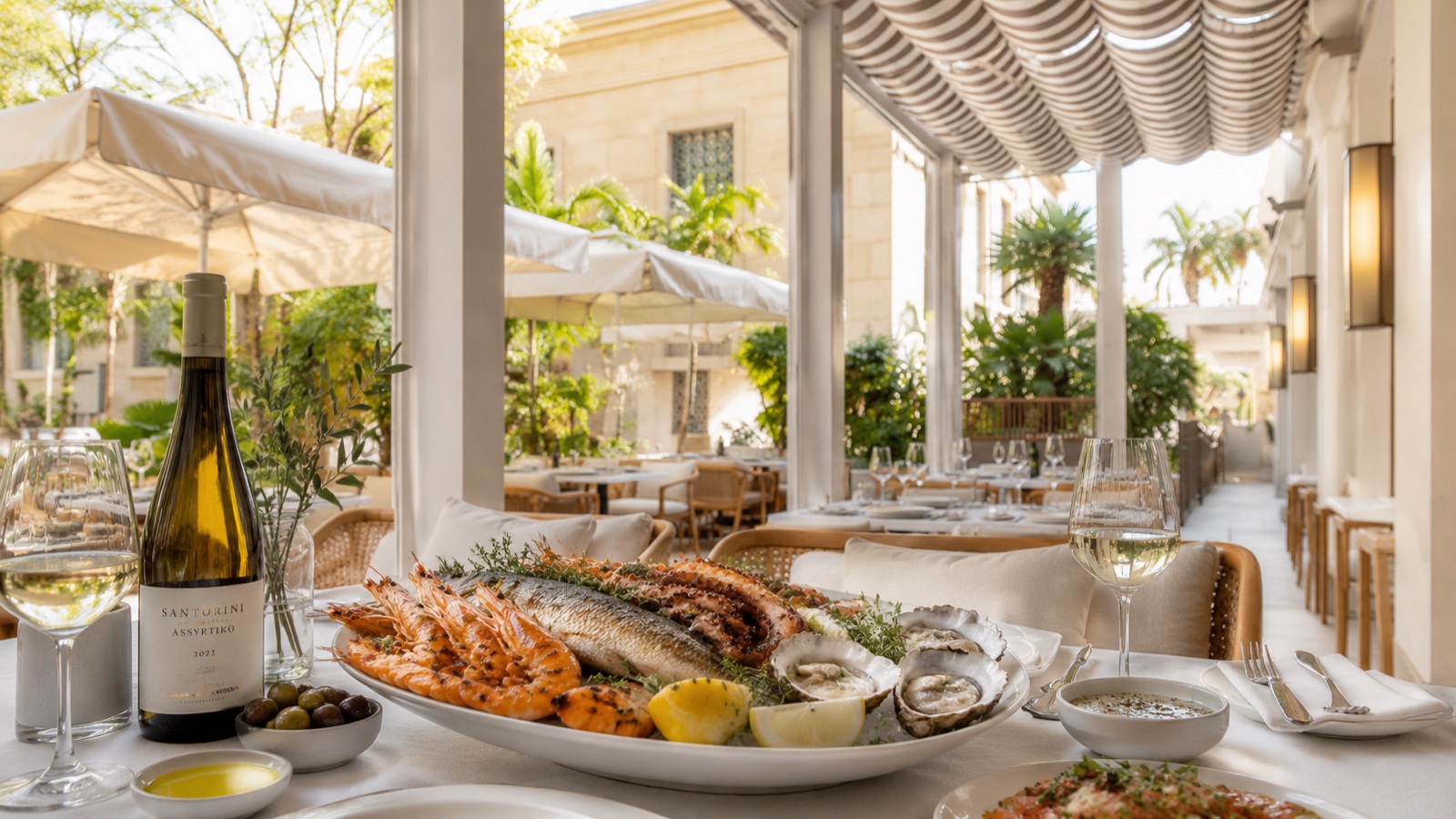
The Flagler waterfront is also becoming a serious dining corridor. Estiatorio Milos opened at One Flagler, bringing a globally recognized Greek seafood concept to one of the most prominent office addresses in the city. Its fish-market-style dining room, whole-fish service, and large-format restaurant model speak directly to the city’s new business and luxury audience.
Buyer context
Nearby, Lamarina adds another waterfront option with Latin, Mediterranean, and coastal influences, plus a raw bar and marina-facing setting. Together, these restaurants help turn Flagler Drive into more than a scenic office corridor. They make it a place where business lunch, dinner, and lifestyle all overlap.
Buyer context
Flamingo Park and the chef-driven counter
Buyer context
Some of the most interesting momentum is happening away from the obvious corridors. Flamingo Park has become an incubator for smaller, chef-driven dining.
Buyer context
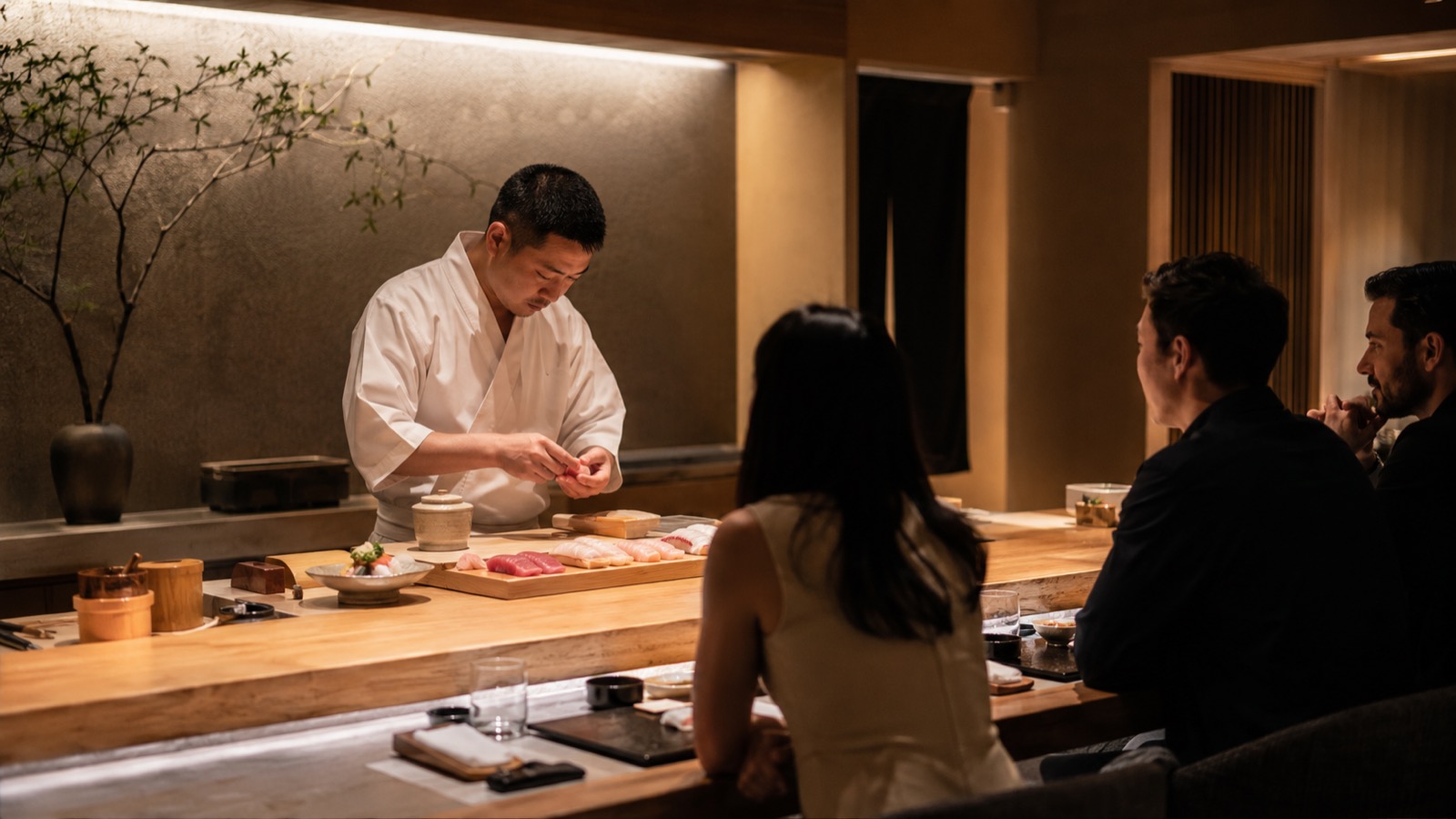
Midorie is planned as an intimate Japanese restaurant built around omakase, carefully sourced fish, and a quieter, more focused experience. Emelina, a small Cuban chef’s counter, has already drawn major attention by bringing a more refined, story-driven approach to Cuban cuisine. This matters because not every important restaurant has to be huge. Sometimes the smallest rooms do the loudest reputation work.
Buyer context
Nora, CityPlace, Clematis, and the new restaurant geography
Buyer context
Downtown dining is no longer one single strip. It is becoming a map of distinct districts.
Buyer context
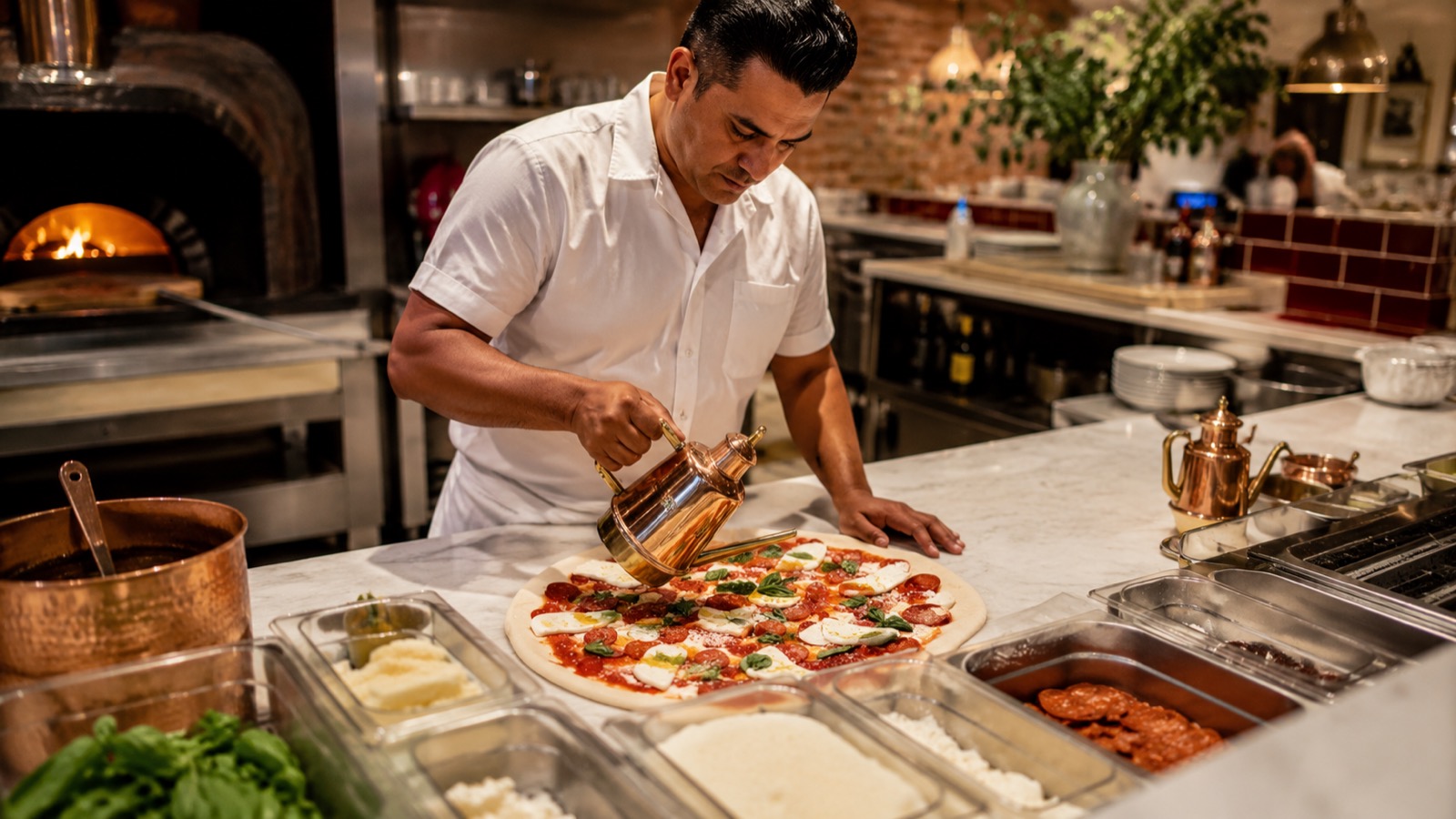
Nora is the most ambitious example. The district is converting old warehouse blocks north of downtown into a large mixed-use destination with restaurants, retail, fitness, public space, and hotel components. Its tenant mix leans heavily into proven New York and national operators, including Pastis, Juliana’s Pizza, H&H Bagels, Nami Nori, Del Mar, Indaco, Van Leeuwen, and Loco Taqueria & Oyster Bar.
Buyer context
That roster tells you exactly who Nora is chasing: residents, office workers, visitors, and relocated buyers who recognize those brands and already understand the lifestyle they represent.
Buyer context
CityPlace is becoming the Italian-market-and-casual-glamour district. Clematis remains the nightlife artery, with rooftops, taverns, cocktail lounges, and late-night energy. Flagler is becoming the polished waterfront dining corridor. Flamingo Park is emerging as the chef-counter and neighborhood discovery zone.
Buyer context
That is how a real city eats. Not one restaurant row. Multiple personalities.
Buyer context
Why chefs and hospitality groups are paying attention
Buyer context
The restaurant boom is not accidental. West Palm Beach has become part of the “Wall Street South” conversation, with financial firms, corporate relocations, private wealth, and new office towers reshaping the city’s daytime population.
Buyer context
That creates something restaurants need: year-round customers with money to spend.
Buyer context
Hospitality groups are looking at West Palm the way many looked at Miami’s Brickell years ago: dense new residential development, stronger office traffic, major wealth migration, and a growing audience of New York and Northeast transplants who expect serious restaurants close to home.
Buyer context
The result is a dining scene with more confidence. Not just another taco place with neon wings on the wall. Actual operators. Actual capital. Actual staying power.
Buyer context
What this means for buyers
Buyer context
For luxury condo and townhouse buyers, restaurants are not just lifestyle extras. They are neighborhood infrastructure.
Buyer context
Walkability matters. A buyer near CityPlace, Flagler, or eventually Nora is not just buying square footage. They are buying the ability to walk to dinner, coffee, cocktails, fitness, and work. That changes daily life and can support long-term resale perception.
Buyer context
Evening activity matters. Restaurants keep streets active after office hours. That makes downtown feel less sleepy and more complete. Buyers who once saw West Palm as quiet after 6 p.m. are now looking at a city with rooftops, lounges, supper clubs, chef counters, and waterfront dining.
Buyer context
Year-round demand matters. National restaurant groups do not spend heavily in a market they believe disappears every summer. Their investment suggests confidence in West Palm as a more permanent, year-round luxury market.
Buyer context
Price matters too. Buyers should expect many of these restaurants to charge Miami or New York prices. That is not a complaint. It is a signal. The market is being priced for the audience now arriving.
Buyer context
Turnover still matters. South Florida restaurants open and close quickly. The key is knowing whether closures reflect weak demand or redevelopment pressure. In a growing downtown, some turnover is not a red flag. It can be part of the reset.
Buyer context
The difference between hype and staying power
Buyer context
Not every opening will last. South Florida has never met a velvet rope it did not eventually trip over.
Buyer context
The strongest concepts usually share a few traits: experienced hospitality groups, unique offerings, strong locations, mixed-use foot traffic, and a reason to exist beyond Instagram.
Buyer context
Eataly is not just another Italian restaurant. Milos is not just another seafood place. Nami Nori is not just sushi. Emelina is not just a tasting counter. These concepts bring identity, operational depth, and a reason for buyers and visitors to talk about West Palm differently.
Buyer context
The restaurants most likely to last will be the ones that feel connected to the city’s next chapter rather than simply dropped into it.
Buyer context
Closing
Buyer context
Downtown West Palm Beach is entering the kind of culinary phase that usually signals a city growing up.
Buyer context
What began as a handful of reliable local spots has become a layered dining ecosystem: Greek seafood rooms, Italian marketplaces, Cuban chef counters, Japanese hand rolls, rooftop bars, Mediterranean terraces, and New York imports all within a relatively compact urban core.
Buyer context
For buyers considering downtown West Palm, the dining map is more than a list of places to eat. It is a proxy for economic vitality, walkability, cultural ambition, and the everyday pleasure of living in a city that finally knows what it wants to be.
Buyer context
The reservation is now part of the real estate story.